Mouse & rat removal services across East Tennessee
Ready to compare local pest treatment options? Request a free in-home inspection, discuss pest removal and prevention, and get treatment pricing from Tennessee Pest Protection before committing to service.
Request an inspection →Signs of mice and rats
- Scratching or scurrying in walls, ceilings or the attic, often at night
- Small dark droppings in cabinets, drawers or along baseboards
- Chewed food packaging, insulation or wiring
- Greasy rub marks along walls and entry points
- Nests made of shredded paper or fabric
Why it matters in East Tennessee
House mice and Norway rats are the most common rodents in East Tennessee homes. A mouse can squeeze through a gap about the size of a dime, so small openings around pipes, vents, garage doors and foundations are often enough. Rodents can contaminate food and chew wiring, which makes early action important.
Rodent activity indoors typically rises in fall and winter as temperatures drop and mice look for warm places to nest.
How it works
- Answer a few questions
Tell us what you're seeing and where. It takes about a minute. - We call to confirm and schedule
Request a preferred window; wait for confirmation before planning a visit. - Discuss the proposed inspection
Tennessee Pest Protection inspects inside and out, explains what they find, and recommends a treatment and ongoing protection plan with pricing. - You decide
The inspection is free with no obligation. Ask when treatment could be scheduled and what it would cost before authorizing it.
Mouse & Rat Control by city
Keeping mice and rats out of East Tennessee homes
Rodents usually move indoors when the weather cools in fall, looking for warmth, water and food. House mice, Norway rats and roof rats are the most common culprits. Trapping the ones already inside is only part of the job; lasting control means finding and sealing the way they got in.
Common entry points
- Gaps around plumbing, gas lines, dryer vents and HVAC lines
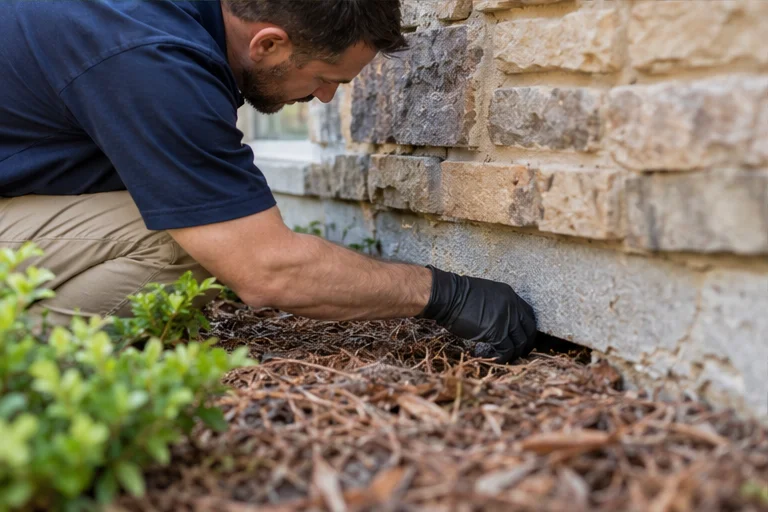
- Crawl space vents and doors, and gaps where siding meets the foundation
- Garage doors with worn seals
- Roof lines, soffits and spots where tree branches touch the roof
A mouse can squeeze through a gap about the size of a dime, so small openings matter.
What a rodent inspection and exclusion visit usually covers
Expect the technician to look for droppings, rub marks, gnaw marks and nesting material, identify which rodent is present, and point out entry points. Ask what sealing materials they use, whether trapping is included, how many follow-up visits are planned, and how dead rodents and droppings will be handled.
Cleaning up droppings safely
Do not sweep or vacuum dry droppings, which can stir up dust. The CDC recommends ventilating the area, wearing gloves, and soaking droppings with a disinfectant or bleach solution before wiping them up.
FAQ
Will traps alone fix a mouse problem?
Traps can catch some mice, but they don't stop new ones getting in. A proper inspection focuses on finding and sealing entry points as well as removing the rodents already inside.
Are mice in the walls dangerous?
Rodents can contaminate food and surfaces and may chew electrical wiring, so it's best not to wait. The technician will explain the risks they find and the best way to deal with them.
Most-requested: termite inspection in Knoxville & East Tennessee · signs of termites